
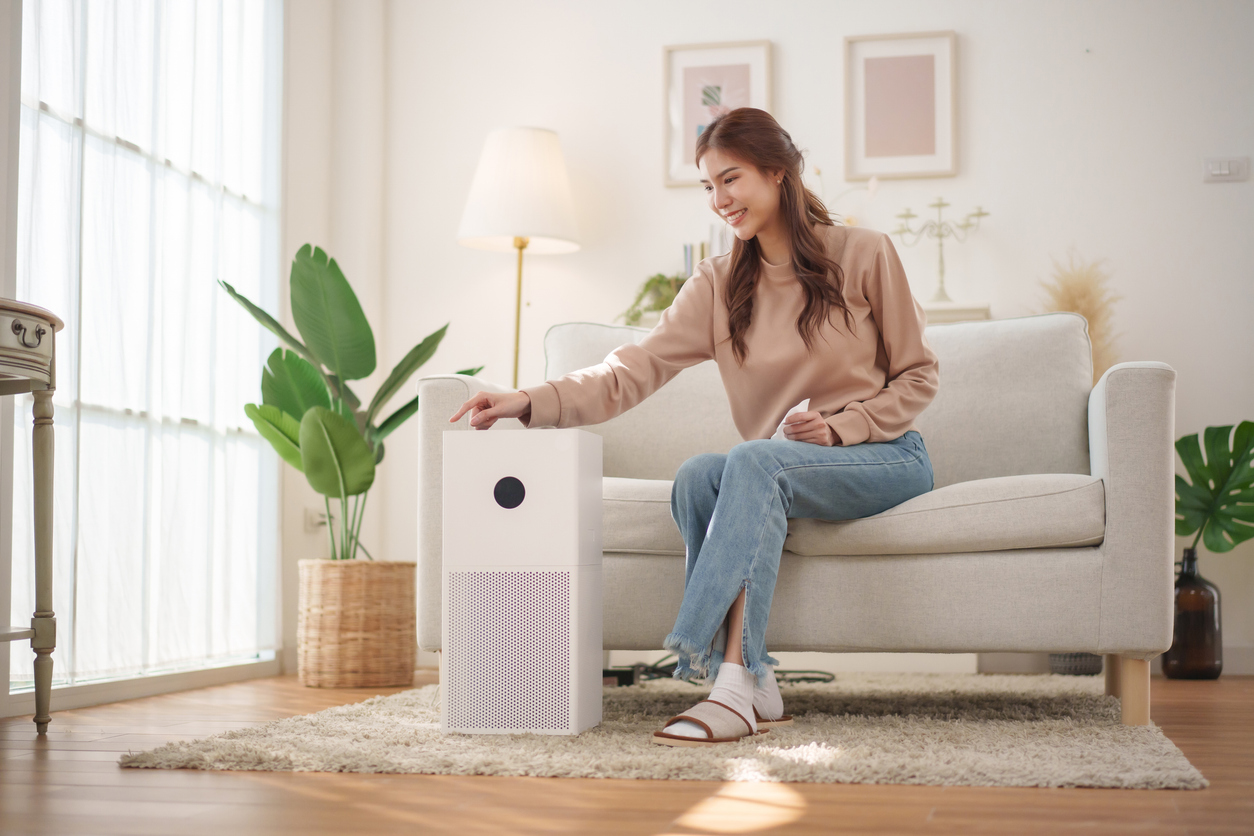
Air purifiers often attract interest from people who struggle with constant sneezing, itchy eyes, or that familiar stubborn congestion, and many wonder whether these devices truly deliver noticeable allergy relief or simply offer a sense of comfort without meaningful results, especially when symptoms seem to flare at home where the air should feel safest.
What triggers indoor allergies most often?
Indoor allergies usually stem from common particles. Dust mites thrive in warm spaces. Pet dander spreads through fabrics. According to our editor’s research, mold spores linger in damp corners. These allergens remain airborne for hours. Carpets hold many allergens. Soft furniture collects fine dust. When disturbed, particles re-enter the air. Poor ventilation worsens reactions. Seasonal allergens also enter through windows. Understanding these triggers helps explain why air purifiers attract attention.
How do air purifiers function in allergy relief?
Air purifiers pull air through internal filters. These filters trap unwanted particles. As a result of our editor’s reviews, HEPA systems remove very tiny allergens. Clean air then circulates back into the room. This cycle repeats constantly. The process reduces airborne irritants. Devices differ in speed. Some purifiers clean rooms faster. Others work quietly in the background. Filtration strength determines effectiveness. Stronger filters capture smaller particles.
Why are HEPA filters considered effective?
HEPA filters meet specific standards. They capture tiny particles efficiently. According to our editor’s research, HEPA technology removes pollen well. Dust mites become less disruptive with filter use. Pet dander levels drop in many homes. These filters work best with consistent operation. Proper maintenance protects filter integrity. Using certified filters ensures reliability. Many users notice improved breathing. Sensitive individuals feel relief sooner.
Do air purifiers reduce symptoms or just allergens?
Purifiers reduce allergens first. Symptoms improve afterward. As a result of our editor’s reviews, symptom relief differs among individuals. Some feel changes quickly. Others need longer exposure. The body reacts differently to filtered air. Reduction in airborne triggers helps calm reactions. Continuous clean air limits flare-ups. Mild allergies improve faster. Strong allergies require more strategies. Purifiers support overall management.
Where should air purifiers be placed for the best effect?
Placement shapes performance. Bedrooms benefit greatly from purifiers. People spend long hours there. According to our editor’s research, living rooms also require attention. These spaces host gatherings and movement. Avoid blocking air intake areas. Keep purifiers away from heavy curtains. Central room placement works well. High-traffic areas disperse allergens easily. Placing devices near these zones helps. Balanced airflow supports better cleaning.
Do air purifiers help with pet allergies?
Pet dander spreads easily. Dander sticks to clothes and furniture. As a result of our editor’s reviews, purifiers reduce dander levels noticeably. HEPA filters capture many particles. Relief depends on pet grooming habits. Regular cleaning boosts effectiveness. Purifiers help maintain cleaner air during shedding seasons. Some pets release more dander than others. Sensitive individuals notice gradual improvement. Combined approaches work best.
Are ionizers and ozone devices safe for allergy sufferers?
Ionizers release charged ions. These ions attract particles. According to our editor’s research, some ionizers create ozone. Ozone irritates lungs in many people. Allergy sufferers may feel worse. Devices producing ozone are not ideal. Safer options focus on filtration. HEPA systems do not release irritants. Filtration avoids chemical reactions. Sensitive individuals benefit from cleaner technology. Safety matters as much as performance.
How long before improvements become noticeable?
Improvements vary by household. Some feel better in days. Others need one to two weeks. As a result of our editor’s reviews, dust-heavy homes require longer time. Purifiers work best when running continuously. Turning them off slows progress. Air circulation influences speed. Closed windows help maintain filtered air. Large rooms require stronger devices. Consistency brings clearer results.
Do air purifiers help with seasonal allergies indoors?
Seasonal allergens enter through doors and windows. Pollen rides on clothing and hair. According to our editor’s research, purifiers capture pollen effectively. Indoor pollen levels decrease quickly. Clean air reduces sneezing. Eye irritation becomes less intense. Seasonal allergy sufferers feel relief indoors sooner. Combined with proper cleaning, results strengthen. Purifiers create a safe indoor zone.
How important is purifier maintenance for allergy relief?
Maintenance determines performance. Dirty filters block airflow. As a result of our editor’s reviews, clogged filters release trapped particles. Replacing filters on schedule protects air quality. Some filters require monthly checks. Others last longer. Regular cleaning extends device life. Proper care keeps allergy relief steady. Neglected filters reduce benefits. A clean purifier performs better daily.
Do air purifiers remove odors linked to allergies?
Odors often carry irritants. Mold smells signal spores. Pet-related odors indicate dander. According to our editor’s research, activated carbon filters reduce smells well. Carbon absorbs gases and smoke particles. Odor reduction improves comfort. Allergy symptoms also improve indirectly. Cleaner air smells fresher. Neutral air enhances breathing comfort. Odor control supports household well-being.
Can air purifiers replace other allergy-control methods?
Purifiers help greatly. They are not complete solutions. As a result of our editor’s reviews, cleaning habits matter strongly. Bedding collects allergens daily. Floors gather fine dust. Proper ventilation helps too. Healthcare guidance supports severe cases. Purifiers serve as a helpful tool. Combined strategies bring the best relief. Home environment plays a major role.
Are air purifiers worth it for mild allergies?
Mild allergy sufferers often notice benefits. Cleaner air means fewer irritants. According to our editor’s research, even small reductions improve comfort. People living in dusty climates benefit more. Homes with pets show faster results. Mild reactions ease quickly indoors. Purifiers offer steady support. Early use may reduce long-term sensitivity.